Amazing Last Day: Just Wow!

Wow what an incredible wrap up to the expedition! We started off at sunrise with an amazing breakfast (the tamales were so delicious) on the boat with a birding tour of the canals along the Chinampas. With the fantastic Martin Sanchez-Vilchis as our guide we were able to identify over 25 different species of water birds that live in the Xochimilco area.

Martin on our tour of the water areas along the canal.

Our group with Martin

Our group at one of the birding areas!

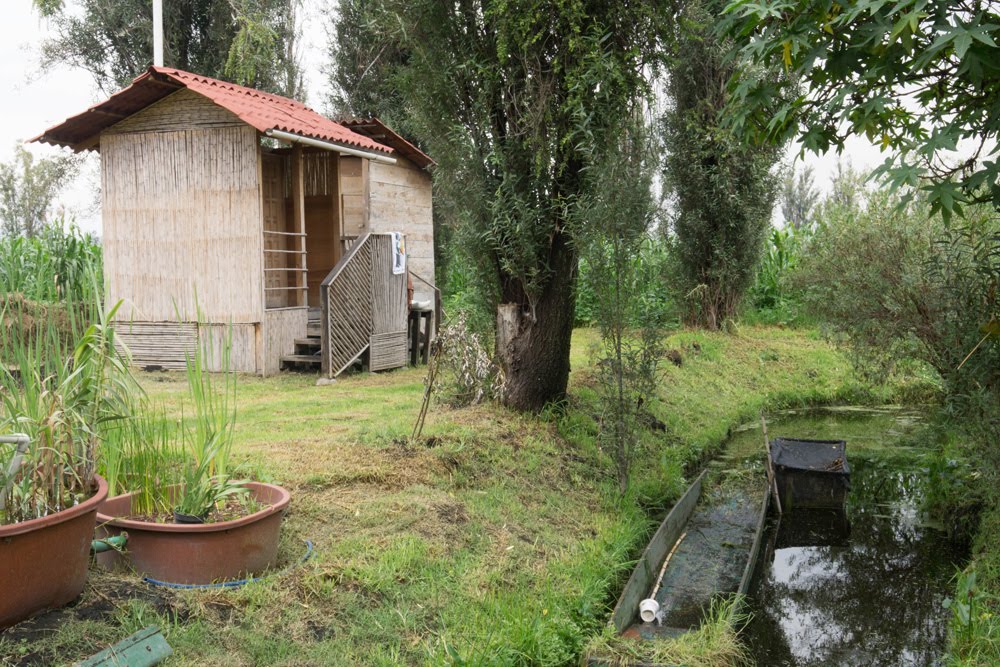
Next was a tour of the REDES (Restauración Ecológica y Desarrollo) Chinampa with Francisco and Renato. The Chinampa uses only sustainable practices to grow a large number of different produce. It also has a dry toilet which is able to compost waste and use as a fertilizer for ornamental plants and on orchards after storing the waste for a 9 month period. This project is being implemented within the Chinampas to eliminate waste going into the waterways and crops.
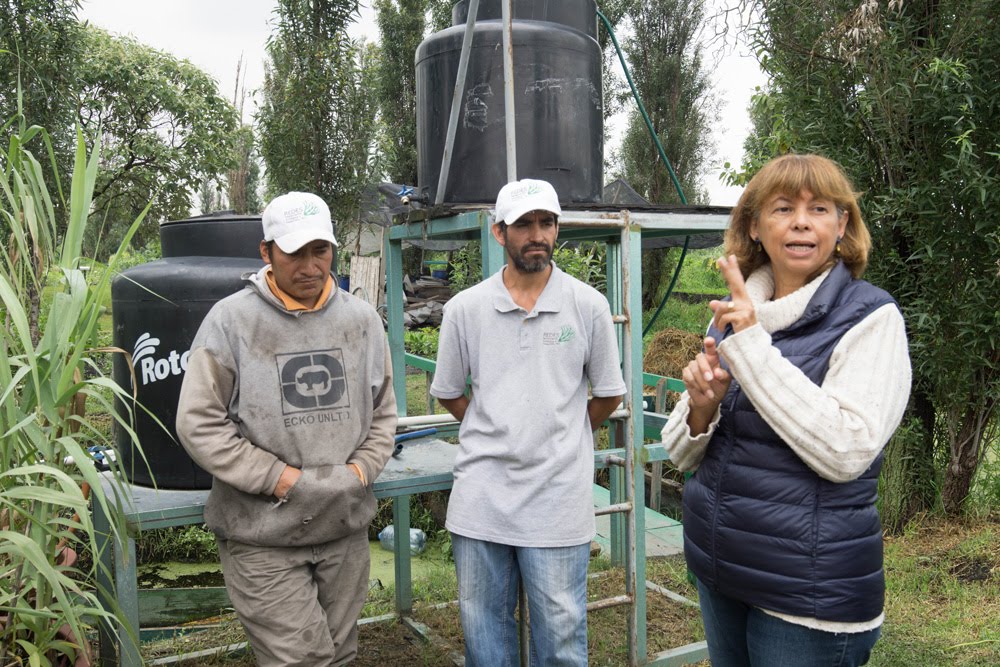
Renato, Francisco and Elsa (Director of REDES and our Earthwatch facilitator). explaining the water filtration system.

The Chinampa dry toilet.

It was a three seater!

Renato then explained how crops are started, rotated and composting strategies used in the Chinampa.
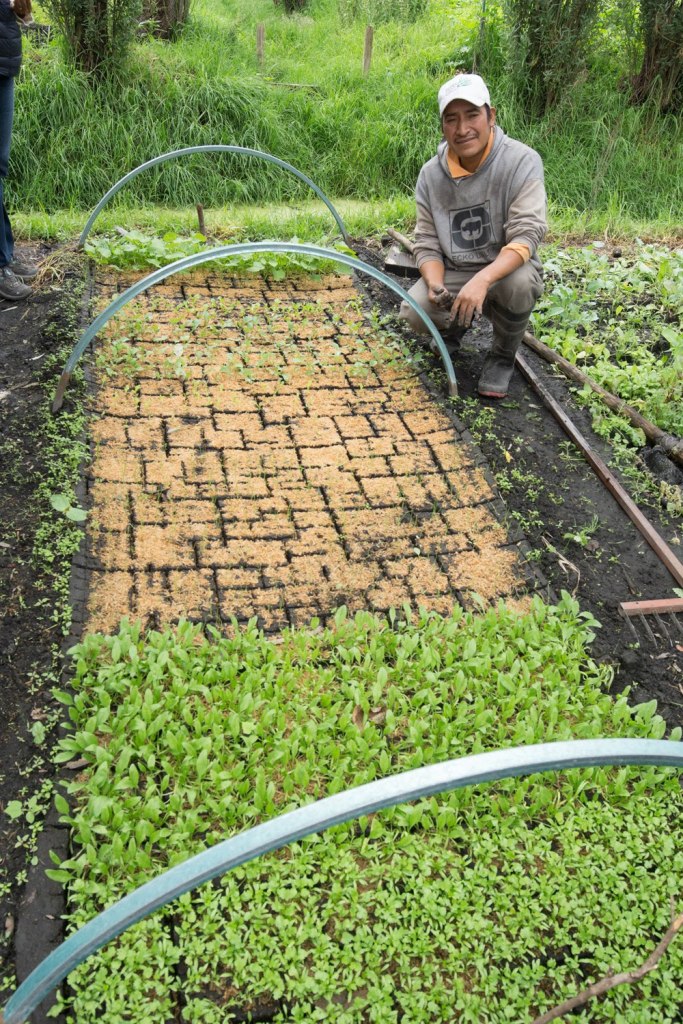
Start of the crop beds with soil sediment taken from the canal.

After our tour we had the opportunity to participate in gardening by turning compost and pulling weeds!
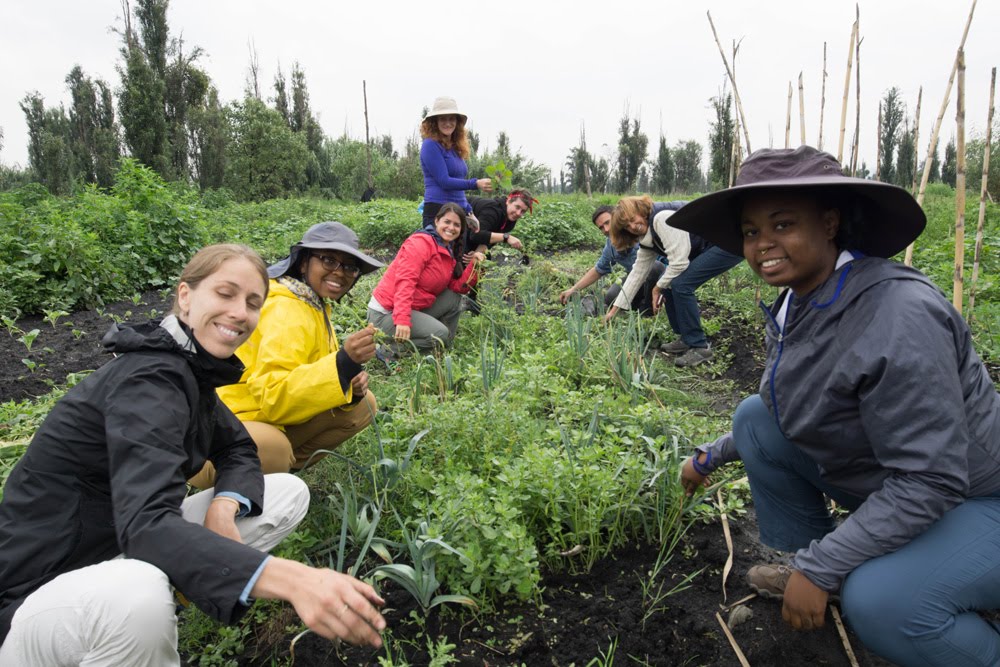
The team enjoying the beautiful garden!

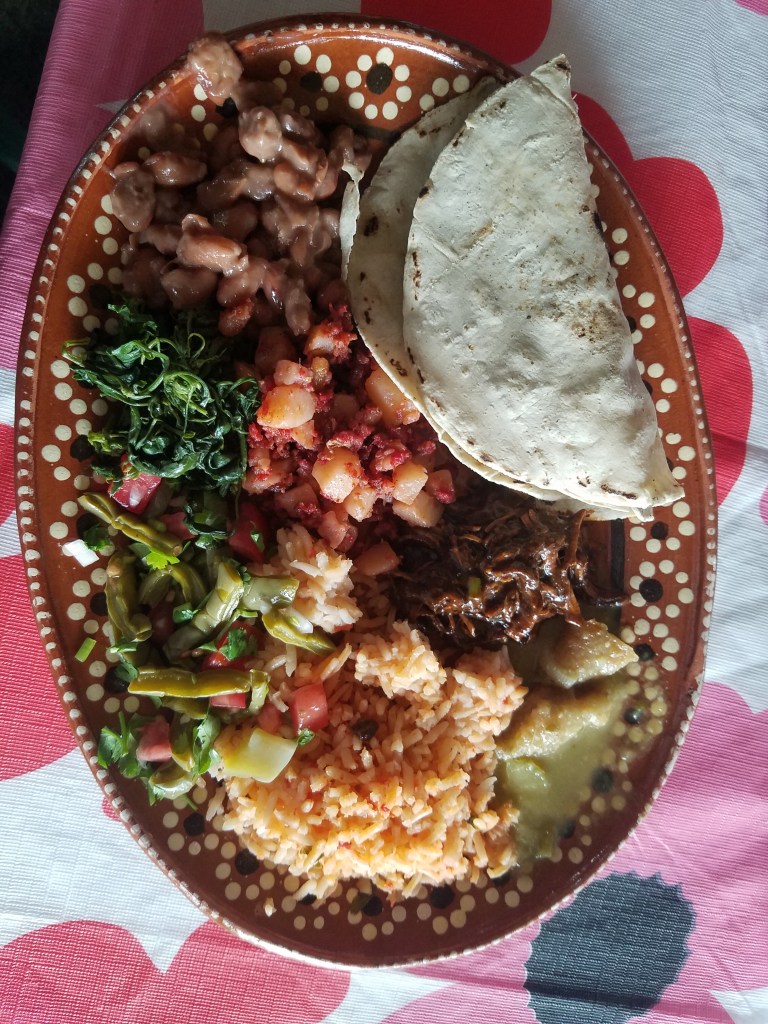
After the tour we were treated to the most delectable lunch made by local Xochimilco women using fresh produce and cooked on an open fire. It was so delicious!
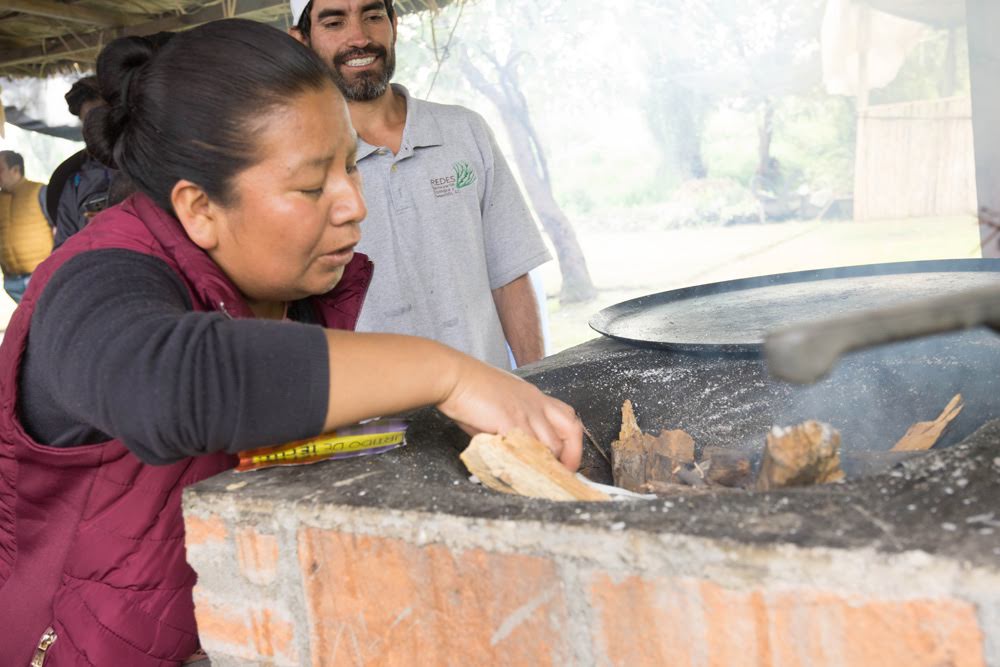
Starting the fire for almeurzo (lunch).

The amount of dishes was incredible

Rice, nopales, mole, chorizo with potatoes, beans were just a few of the dishes.

Next was a talk by Diego about the conservation of Axolotl and the importance of restoring the Chinampas and bringing back this critically endangered creature to this area. Due to the introduction of carp and tilapia the species quickly decreased in size and currently is at a critically endangered status. The hope is to block areas so that carp and tilapia cannot enter where the Axolotl are introduced. They are amazing in the fact that they can regenerate limbs and even organs and research is currently being done on their stem cells.
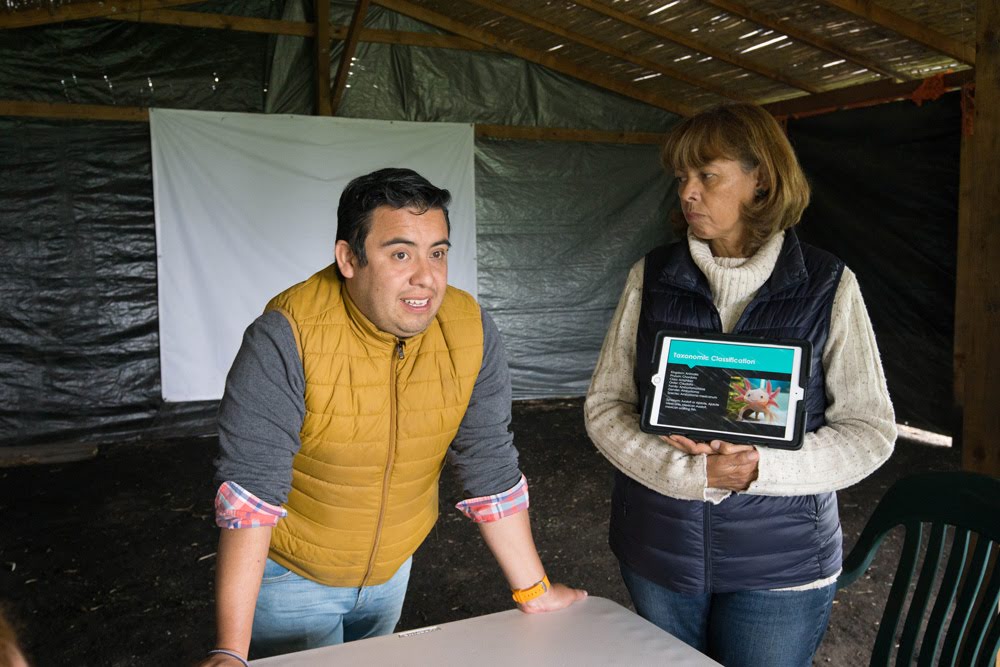
Diego explaining the research on the Axolotl

We had the opportunity to see them directly and got a surprise when one jumped out of the water. With Elsa’s super quick reactions it was recovered and returned to the canal.

Axolotl

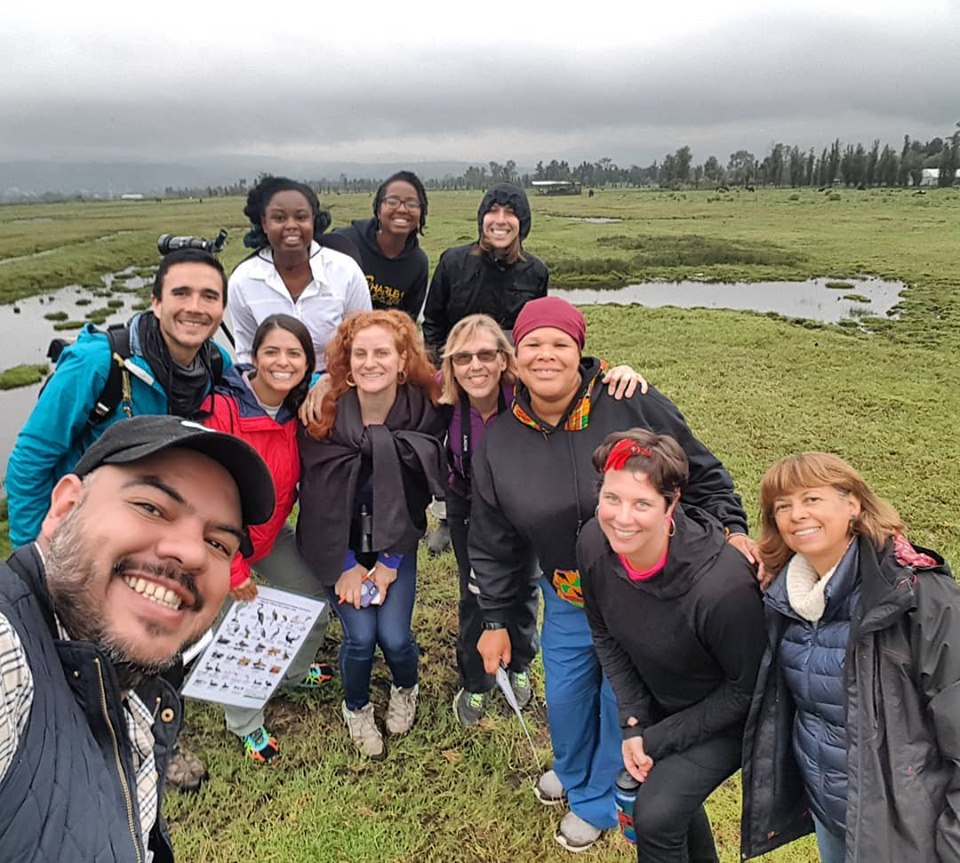
Group photo taken at the Chinampa before we head out. We will all miss the sustainable work that is being done in this area, but plan to put what we learned into practice with our students on a variety of projects.
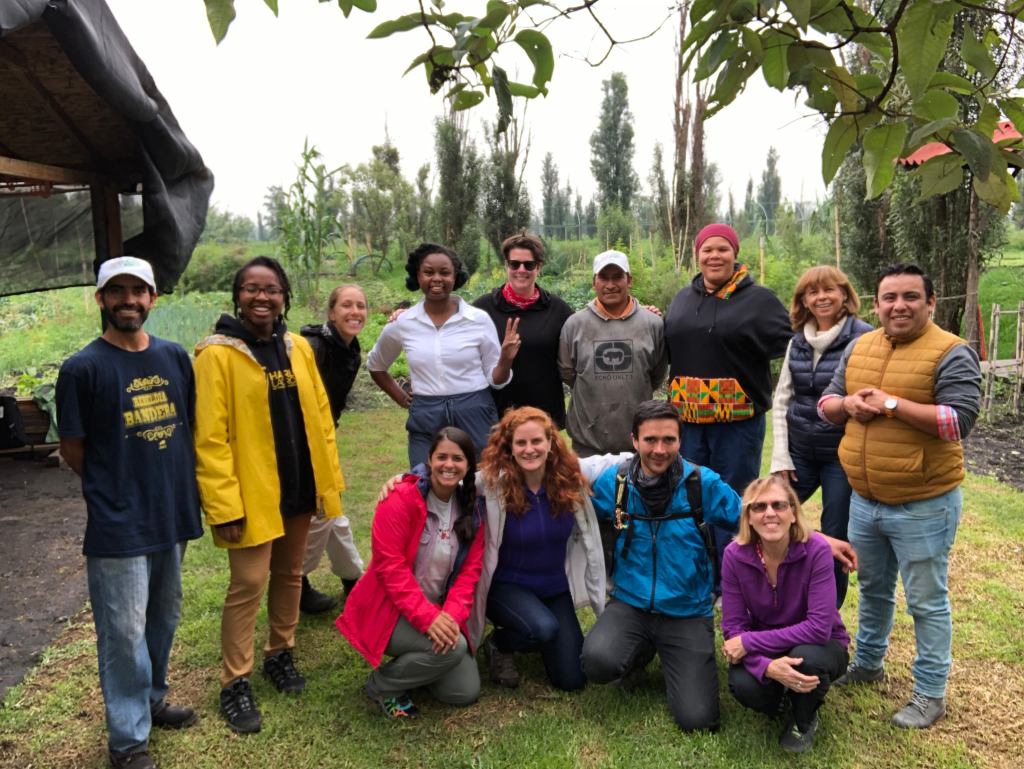
Our Earthwatch Team at the REDES Chinampa.

Returning back to civilization via boat gave us unbelievable views of the beauty of this area.
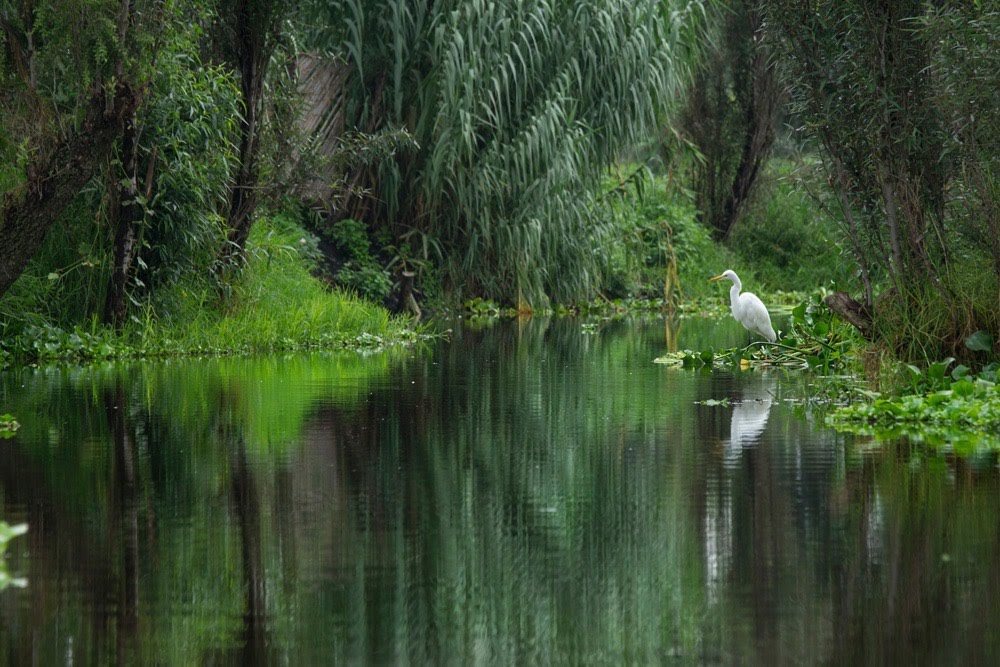
A Great Egret poses for us as we pass by.

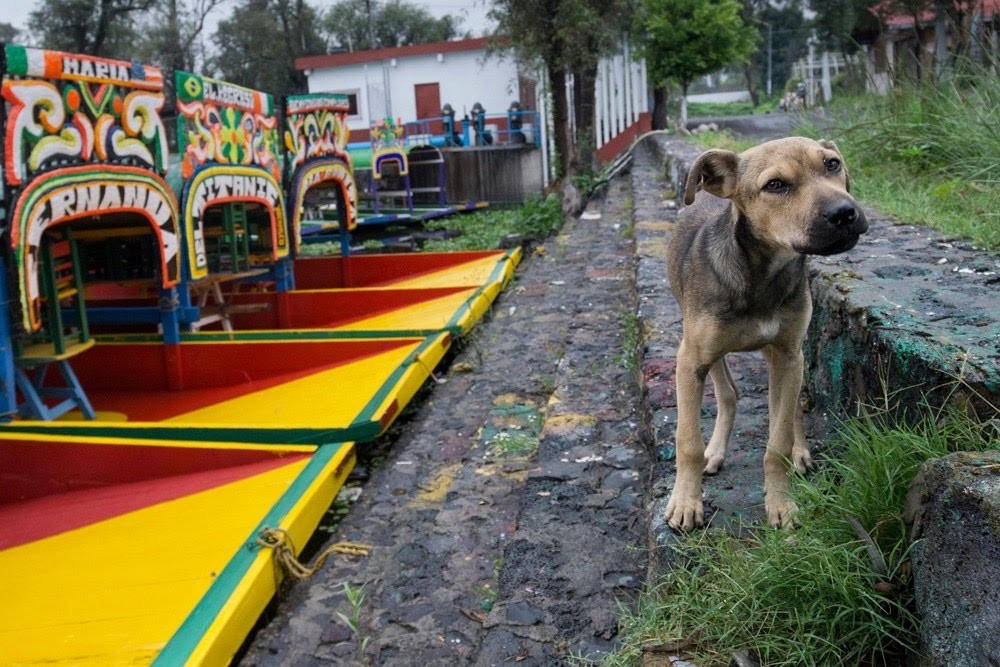
The Xochimilco boats.

The Xochimilco boats along with one of the very friendly dogs in the area.

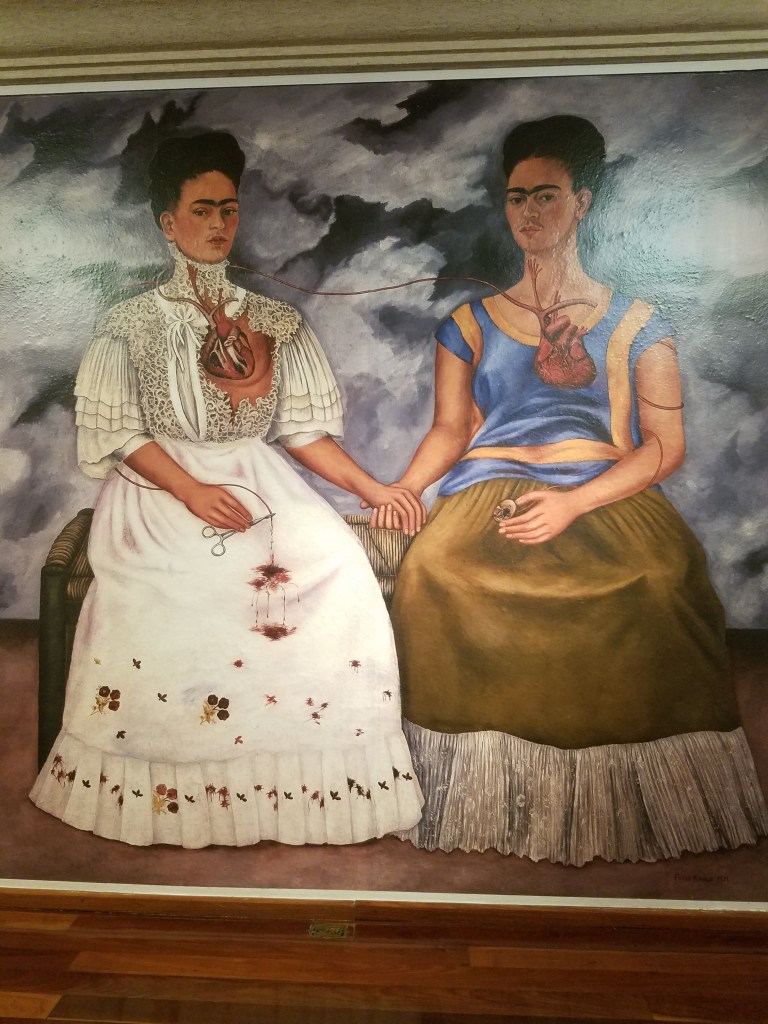
As if this was not enough, we headed to the Delores Olmedo museum in the heart of Mexico City. The beautiful grounds and art collections were magnificent. She was a friend to Diego Rivera and Frida Kalua.
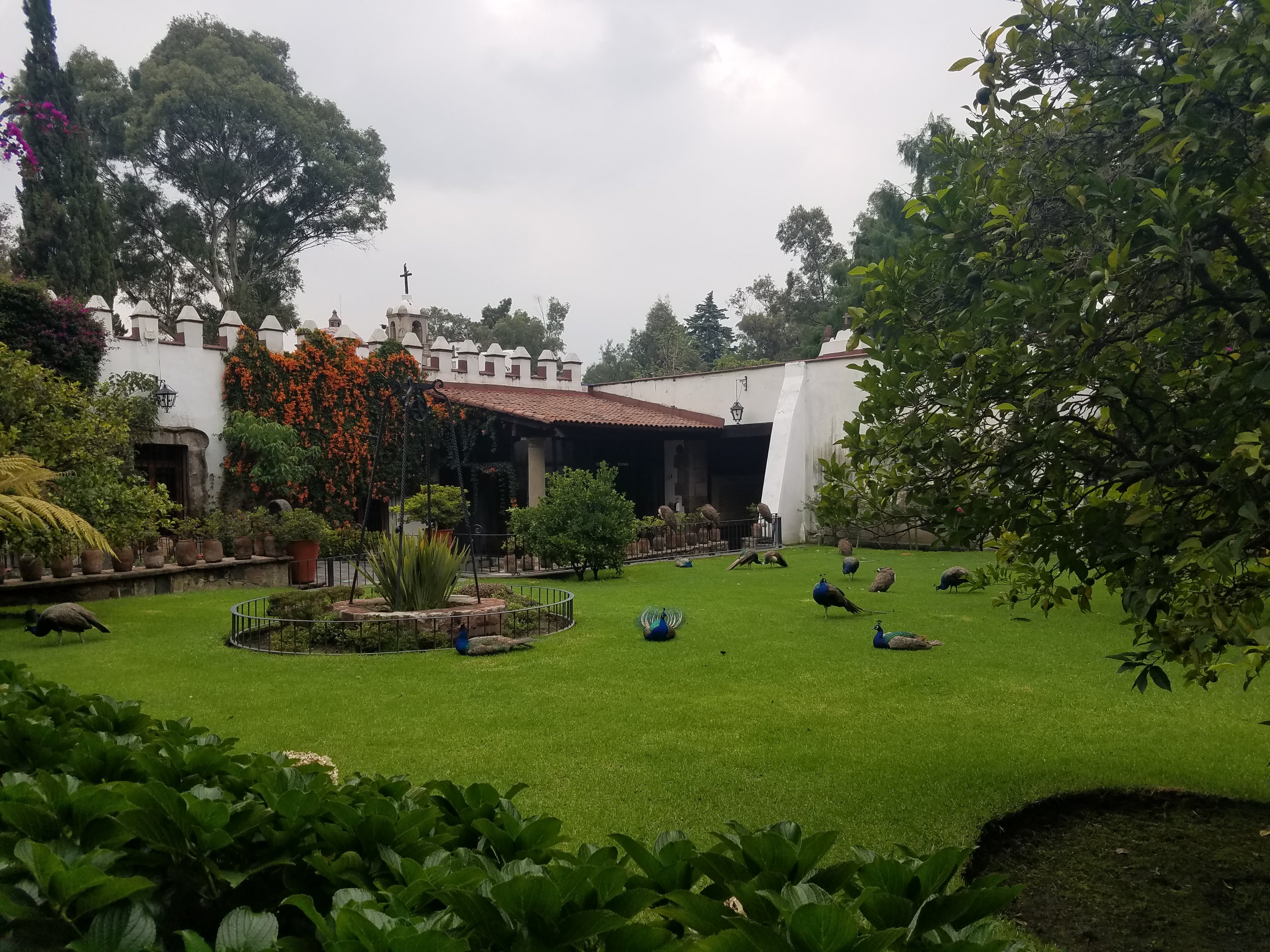
Some of the beautiful grounds at the museum with the many peacocks found throughout.

To wrap up the day we were treated to dinner at Centenari 107 and got to try crickets on guacamole! Wow what a remarkable experience with an astounding group of teachers, students, farmers, volunteers and scientists! Special thanks to Elsa and Erick for all your hard work and providing us with so many phenomenal opportunities.

Erick and Elsa – our sensational Earthwatch leaders!

From all the team – we will miss you all but learned so much! Muchas gracias por todo!
Day 4: Learning by doing: Application in the Chinampas

Aside from a culmination and application of our learning these past few days, today marked many things, including our comfort level with each other, loudly singing Queen’s “We are the champions” as Eduardo drove us towards the Chinampas.

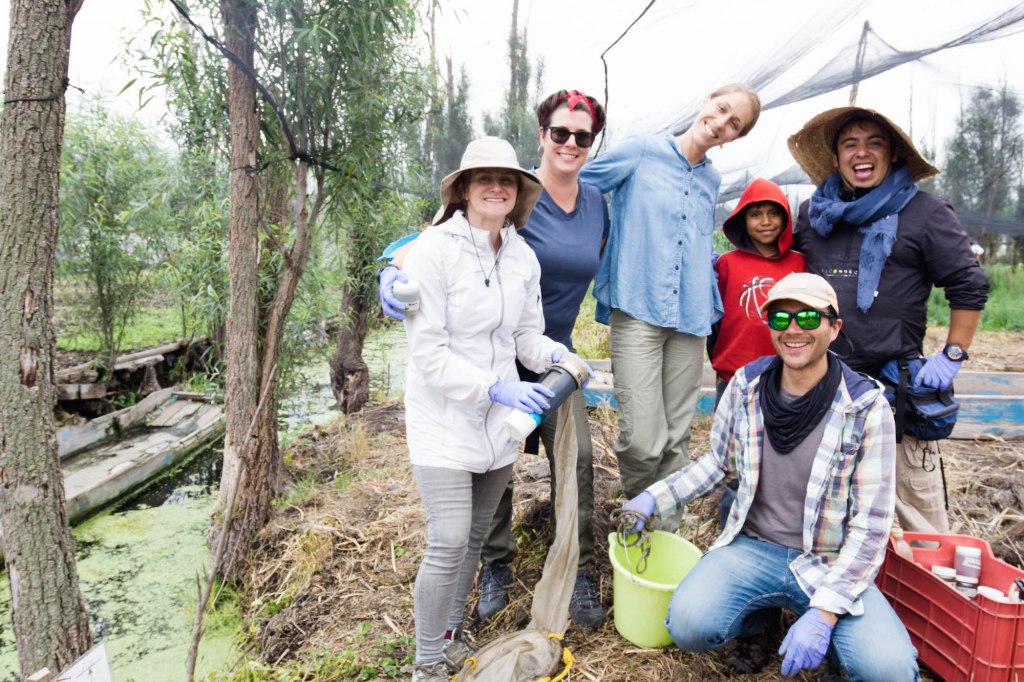
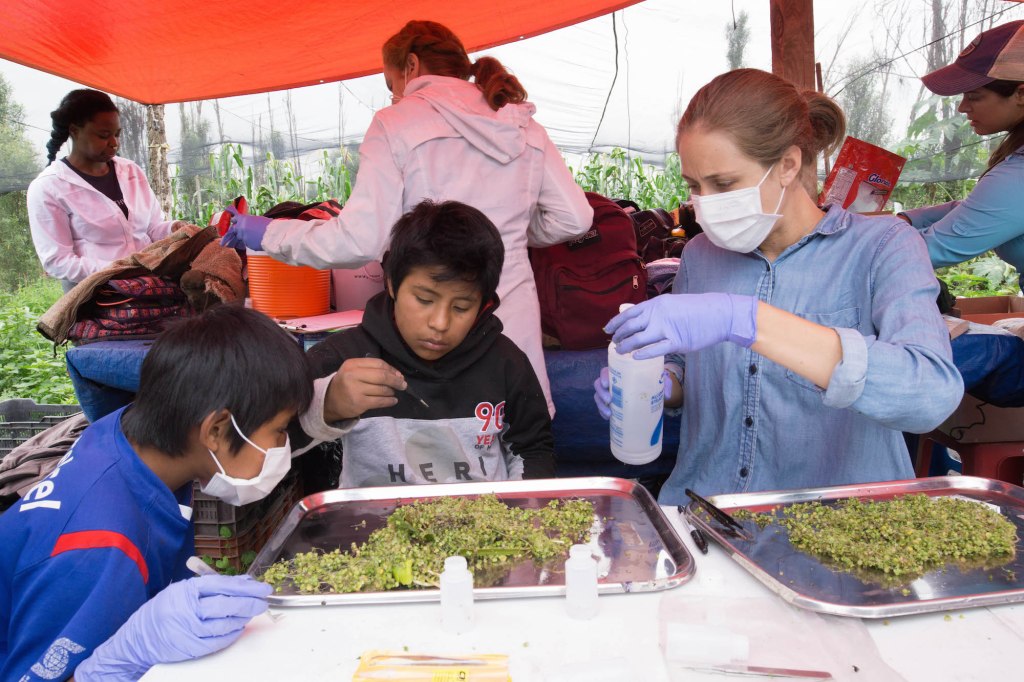
We also successfully finished all of our tasks before the storm arrived, displaying our increasing comfort in collecting water samples, phytoplankton, zooplankton, Macroinvertebrates, conducting canal morphometry to name a few.

David, Juan, and Crystal closely observing and sorting out Macroinvertebrates

Highlighting memorable moments of the day:

  1. “Seeing the two young boys, Juan and David help out and meeting Miguel, a human encyclopedia of macro-invertebrates” – Rebekah
  2. “Trying new things, learning from Miguel, and feeling more confident in what we are doing”- Christi
  3. “Successfully using a wood plank as a bridge and not falling in”- Erick
  4. “Keeping busy, lots of data entry and making sure Erick doesn’t fall in” -Holly
  5. “Sorting with the kids, they were really cute”- Sue
  6. “Full-on immersion, measuring the lake with Diego, Hugo and Dario”- Simone
  7. “Filtration, everyone got into a good rhythm”- Milan
  8. “Collecting Macroinvertebrates and Diego calling me a Pro”- Crystal
  9. “Water sampling with Holly, Erik and Diana, and feeling capable.” – Sonya
Collecting zooplankton and phytoplankton with Diego (top right)

Day Three — Soil, Pyramids & Planning

Why Use Soil Chromotography?

In short, Pfeiffer’s Chromotography is a process used to study the organic matter in the soil and the soil’s quality. In this particular project, it is useful because it is easy, cheap, and highly informative. Farmers in Xochimilco can easily test their own soil using these methods and monitor the health of their soil. The team at REDES use Chromotography to diagnose and monitor the chinampas; they can see the difference between varying chinampas or study the changes of one chinampa over time. Using Chromotography, the researchers can see what processes and changes work on the chinampas, and what processes are less successful. 

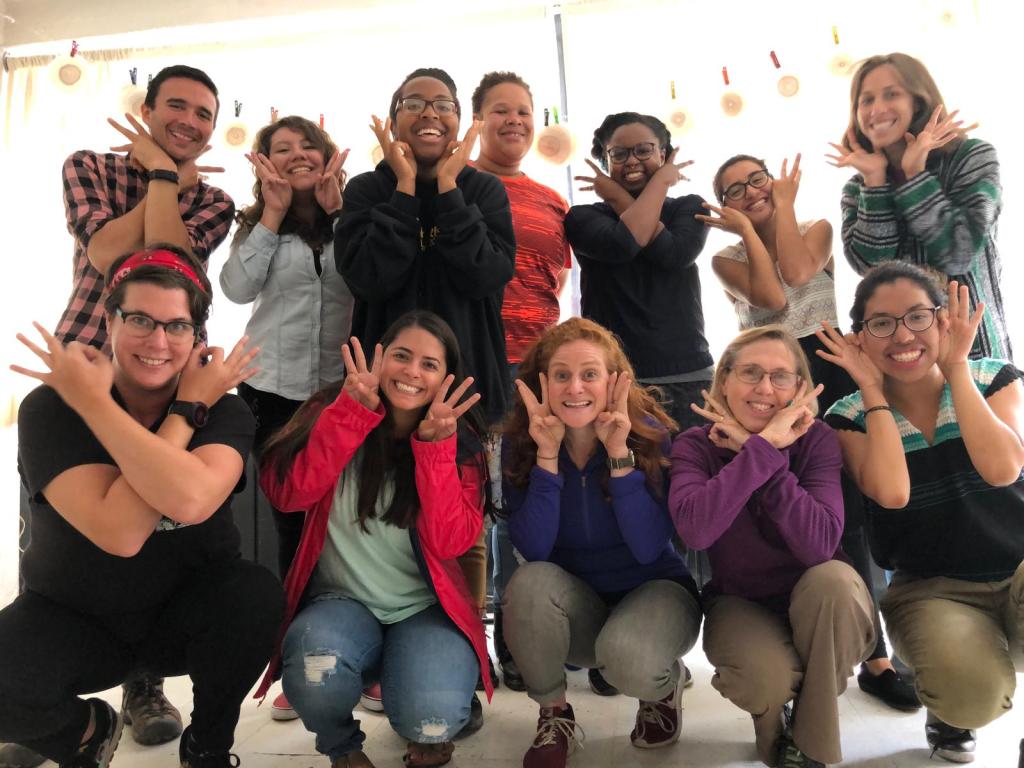
Our team doing our best Ajolote impression.

Armed with this data, the scientists can then give farmers suggestions about strategies that produce more crops, healthier soil, as well as see if what appear to be successful methods are only a short-term solution or if they are sustainable for the long-term. This type of analysis also gives farmers more autonomy. Inspired by Brazil’s Muvimiento de los Sin Tierra (MAST) (also known as the Landless Workers Movement), Xochimilco farmers can make informed decisions about their own crops rather than having to rely on the government to process soil samples (which are very expensive) or large multinational corporations. 

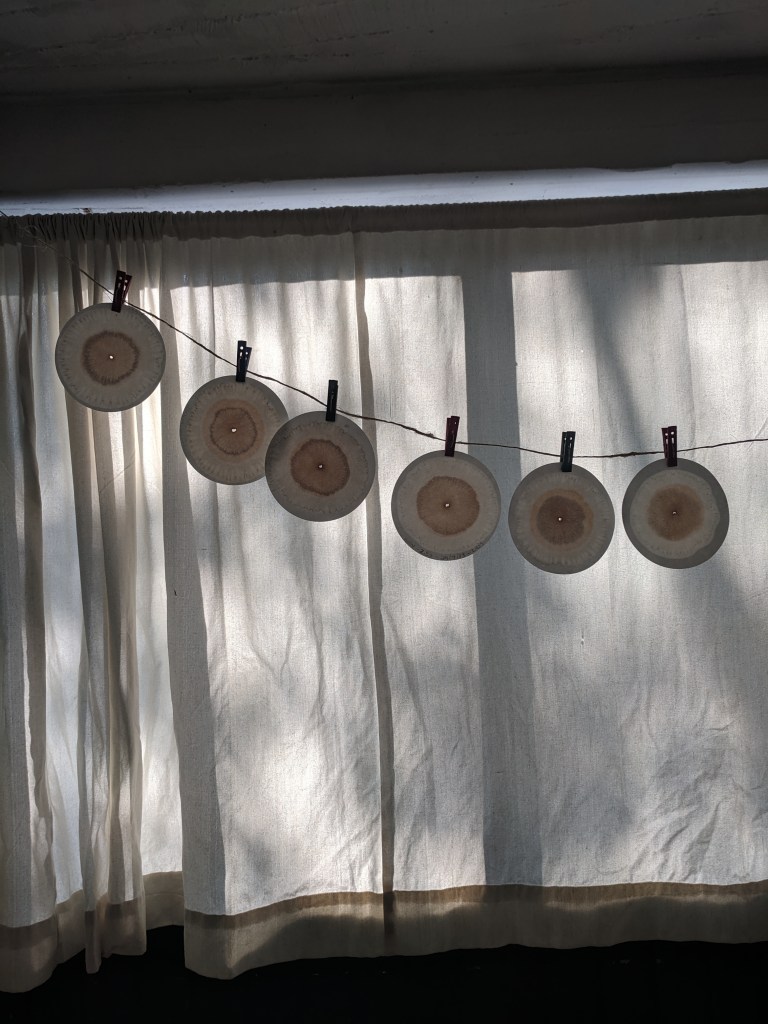
Our team’s soil chromotography hanging to dry.


How to do Soil Chromotography

While the process is relatively simple (and beautiful), it does require quite a bit of preparation.  On Monday we took soil samples from Luis and Guillermo’s greenhouses and dried them overnight. Tuesday night we split into three teams (Soil, Solution, and Paper) to prepare the materials we would need today. We sifted and ground the dried soil samples from Luis and Guillermo’s farms and mixed them with a sodium hydroxide solution. We gently stirred them at timed intervals (15min, 30min, 1hr) and then allowed them to sit overnight. We also prepared wicks and used them to treat small papers with a sodium nitrate solution. 

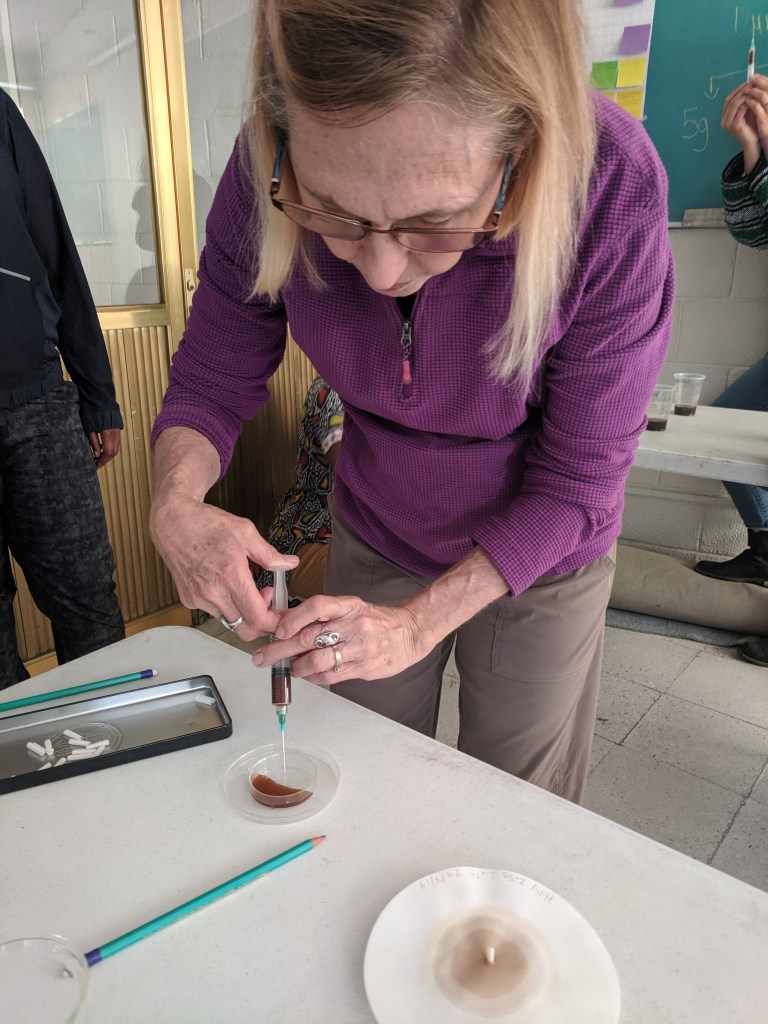
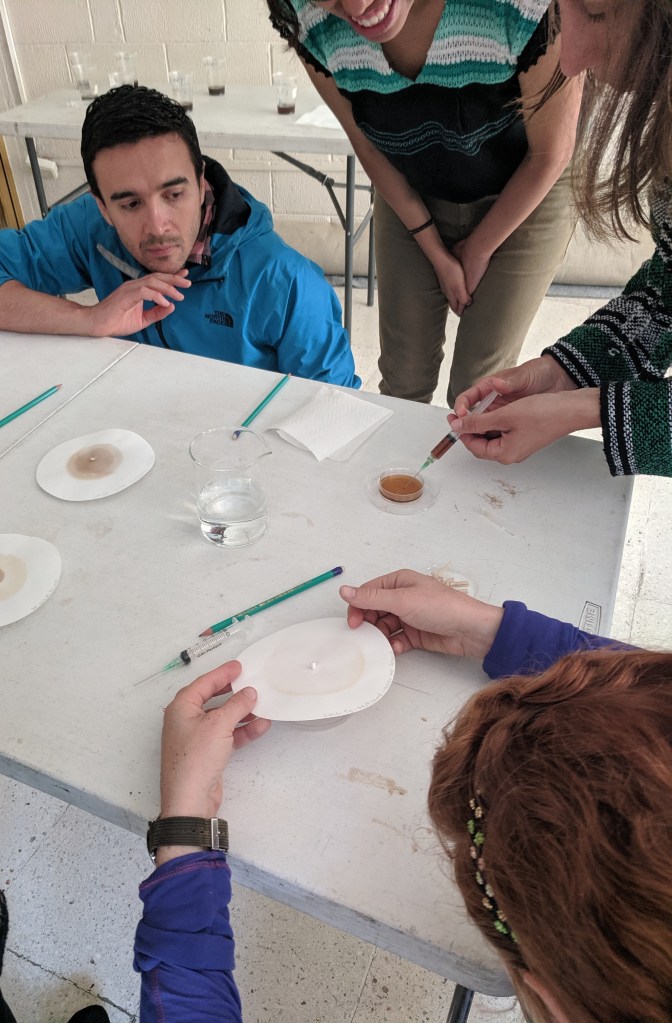
After breakfast, we used syringes to take liquid from our soil solutions that had rested overnight. We put the liquid into petri dishes, put wicks through our papers prepared with sodium nitrate, and allowed the papers to absorb the soil sample using capillary action. Once the paper was sufficiently saturated, we removed the wicks and hung the paper to dry. We’ll allow the samples to dry fifteen days before Yolo, Luz, Dani and Erik interpret the results.

Sue uses a syringe to put the soil sample in a petri dish.
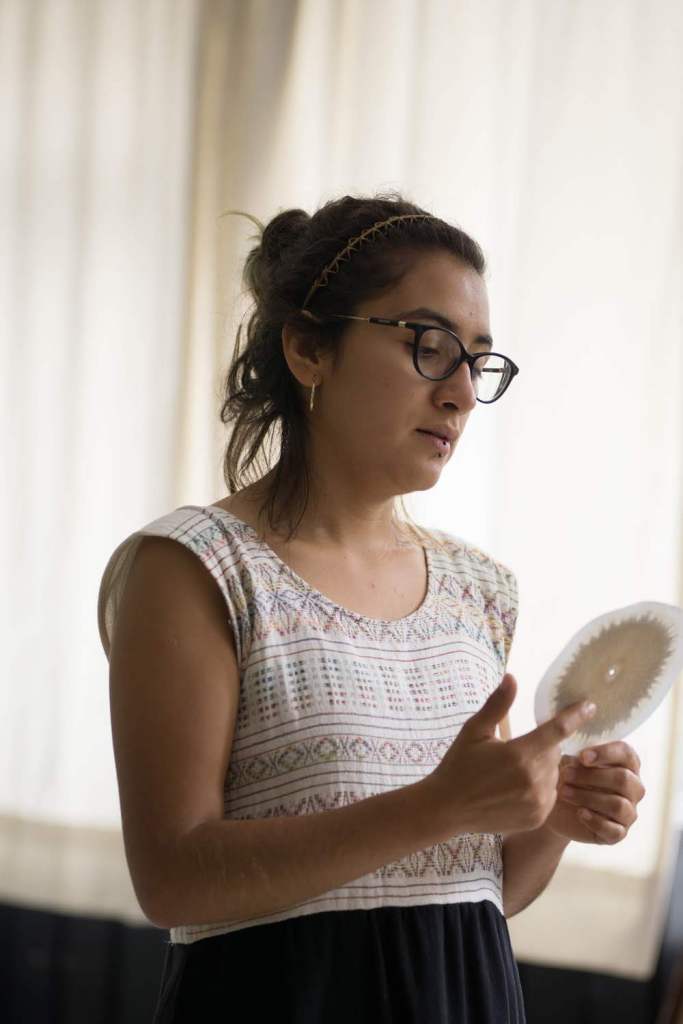
Soil chromotography in progress.

Erik admires Crystal and Rebekah’s excellent work.

Our awesome team of scientists then gave us a presentation about the process of chromotography, how they use it, and the conservation strategy for Xochimilco’s wetlands, farmers and chinampas. 

Yolo explains the importance of organic matter in soil.

In her research, Yolo has found a statistically significant correlation between a high amount of colors with a low content of moisture, high density and low microbiological activity. She also found a low fractal dimension correlates to low microbiological activity.

FUN TIME

After a morning of chromotography, we piled into the van and headed to Cuicuilco to see the pyramid.  This settlement dates back to 1400 BC and was destroyed by lava flow from the nearby volcano Xitle. The pyramid is located in the middle of the city not far from UNAM and so you get an incredible 360 view of the city and surrounding mountain ranges. 

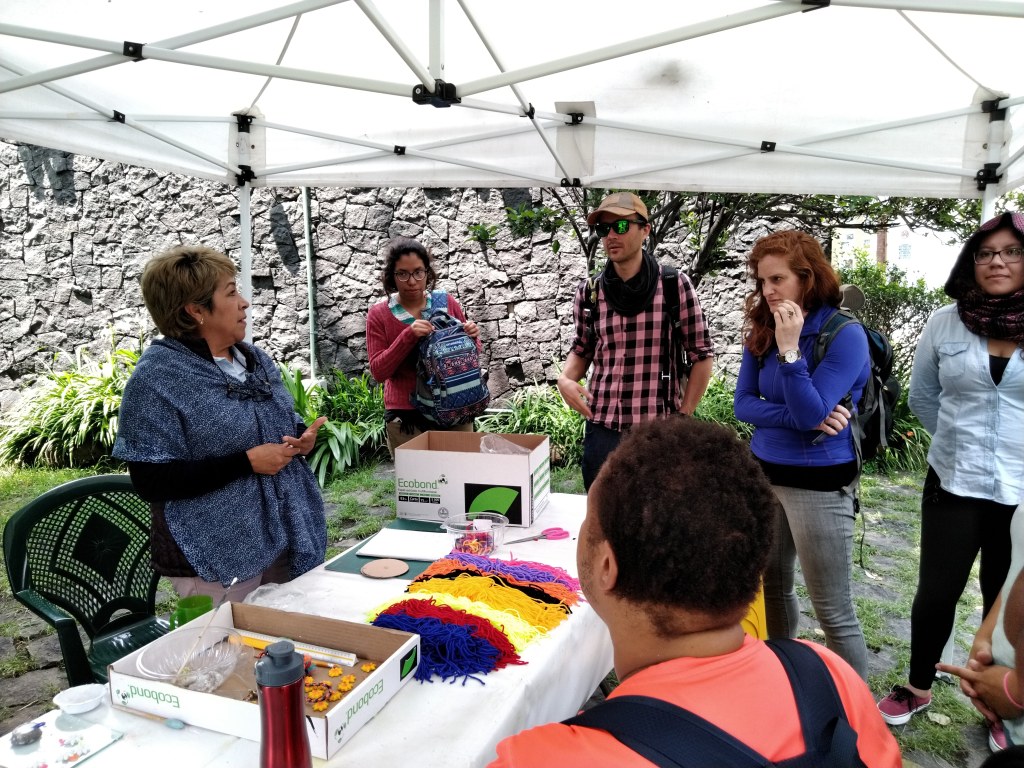
As we walked through the park (?) we noticed a woman sitting under a tent giving a presentation to some children. When we walked over she shared with us the different flowers that are native to Mexico and how these vibrant flowers can also be consumed!  We took part in an activity where we created braided bracelets out of yarn, the colors of which were meant to represent the vibrancy of Mexico’s fauna. While making our bracelets we learned about other ways we can incorporate art and culture into our classrooms, it was a very cool bonding experience for us as a group.

Lunch and Afternoon Workshop

 We came back to Casa Xitla and were met with an amazing lunch of tortilla sopa, fish, rice, salad, and tortillas.  After lunch Erik and Elsa continued to share with us the history of the chinampas, the environmental implications of large scale farming, and how the community at large MUST take part in their preservation for the better of all in Mexico City.  Finally Sue led a teacher workshop which brought us closer to solidifying our community action/lesson plans which detail how we will bring back our experience and spread awareness of environmental issues with our own students, schools, and communities!